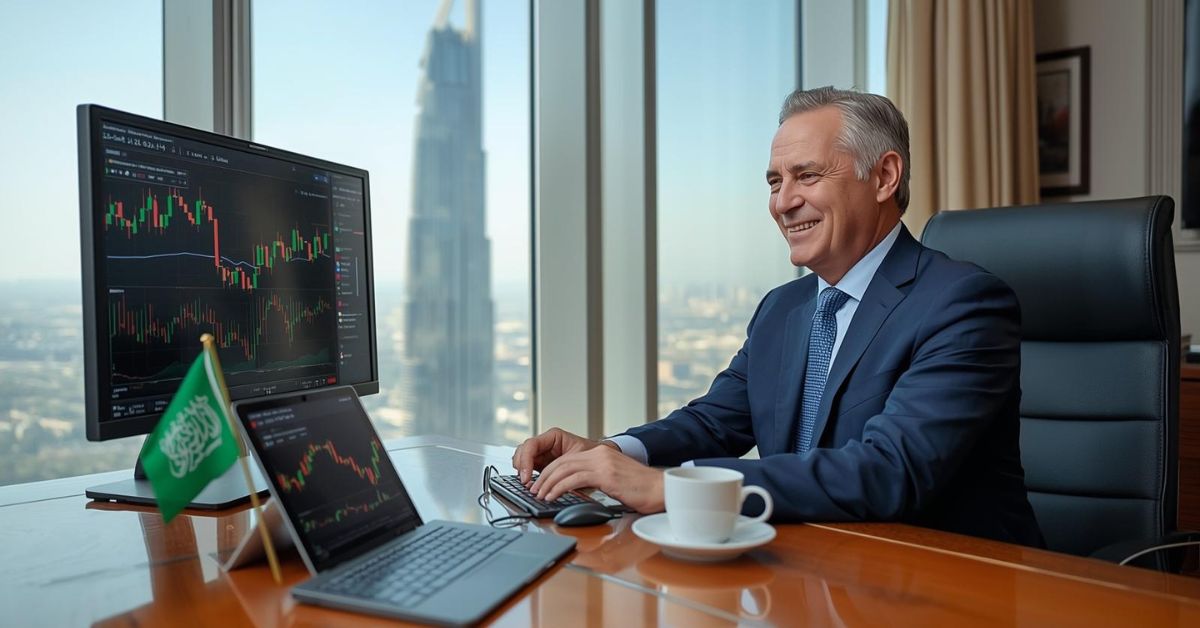
Investing in the Saudi financial market requires a deep understanding of the local regulatory landscape. The Capital Market Authority (CMA) acts as the primary watchdog, ensuring that all trading activities remain transparent and fair for retail investors. If you plan to trade within the Kingdom of Saudi Arabia, selecting a broker that carries the CMA seal of approval is not just a preference but a necessity for fund safety. This article explores why CMA regulation should be your top priority and how it shapes your trading experience in the KSA market.
Why CMA Regulation Matters for Your Security
The CMA was established to protect investors from fraudulent schemes and unethical market practices. When you choose a regulated broker, you are essentially ensuring that your capital is handled by an institution that follows strict financial protocols. These brokers must maintain high capital adequacy ratios and keep client funds in segregated accounts, which prevents the firm from using your money for its own operational expenses.
Investor Protection and Dispute Resolution
One of the biggest advantages of a CMA licensed broker is the access to legal recourse. If a dispute arises regarding a trade execution or a withdrawal request, the CMA provides a clear framework for mediation. Unregulated or offshore brokers often operate outside these jurisdictions, leaving Saudi residents with very little power to recover lost funds in case of a broker insolvency or malpractice.
Adherence to Sharia Law and Ethical Trading
The Saudi financial market is built on the principles of Sharia compliance. The CMA ensures that licensed brokers offer products that align with these values, such as swap free accounts and transparent fee structures. By avoiding hidden interest rates (Riba) and excessive speculation (Gharar), regulated brokers provide an environment where you can grow your wealth ethically.
Comparing Licensed Local Brokers vs Offshore Options
While many international platforms market their services to Saudi citizens, only those with a physical presence and a valid CMA license can legally offer securities services within the Kingdom. Using an offshore broker might provide higher leverage, but it comes with significant risks including lack of transparency and potential tax complications.
Transparency in Fees and Commissions
CMA regulated entities must disclose their entire fee structure to the public. This includes trading commissions, account maintenance fees, and spread markups. You will not encounter the “hidden costs” often found in the fine print of offshore providers. This level of transparency allows you to calculate your potential ROI with much higher accuracy.
Access to Local Market Data and TASI
If you are interested in trading stocks on the Tadawul (Saudi Exchange), you must go through a CMA authorized institution. These brokers provide direct market access and real time data for the TASI index. They also offer localized customer support in Arabic, which is crucial for resolving technical issues quickly during market hours.
How to Verify a Broker License in Saudi Arabia
Verifying a license is the most important step before depositing any money. You can do this by visiting the official CMA website and searching the list of authorized “Capital Market Institutions.”
Steps to Confirm Broker Authenticity
The first step is to locate the license number on the broker website. Then, cross reference this number with the CMA database. Ensure that the company name exactly matches the one registered with the authority. Finally, check the specific activities the firm is licensed for, such as “Dealing” or “Managing,” to ensure they can legally provide the service you need.
Common Red Flags in Unlicensed Brokers
Be wary of brokers that promise “guaranteed returns” or use high pressure sales tactics over the phone. Most offshore scams use aggressive marketing to lure inexperienced traders. If a broker claims to be regulated in the KSA but does not appear on the CMA official list, you should avoid sharing any personal or financial information with them.
Must read: Is Forex Trading Legal in Saudi Arabia? (Regulatory Guide)